
'%3e%3crect%20width='32'%20height='24'%20fill='white'/%3e%3cpath%20fill-rule='evenodd'%20clip-rule='evenodd'%20d='M0%200V24H32V0H0Z'%20fill='%232E42A5'/%3e%3cmask%20id='mask0_270_67386'%20style='mask-type:luminance'%20maskUnits='userSpaceOnUse'%20x='0'%20y='0'%20width='32'%20height='24'%3e%3cpath%20fill-rule='evenodd'%20clip-rule='evenodd'%20d='M0%200V24H32V0H0Z'%20fill='white'/%3e%3c/mask%3e%3cg%20mask='url(%23mask0_270_67386)'%3e%3cpath%20d='M-3.56323%2022.2854L3.47846%2025.2635L32.1597%203.23787L35.874%20-1.18761L28.344%20-2.18297L16.6456%207.3085L7.22956%2013.7035L-3.56323%2022.2854Z'%20fill='white'/%3e%3cpath%20d='M-2.59924%2024.3719L0.988173%2026.1001L34.5402%20-1.59881H29.5031L-2.59924%2024.3719Z'%20fill='%23F50100'/%3e%3cpath%20d='M35.5631%2022.2854L28.5214%2025.2635L-0.159817%203.23787L-3.87415%20-1.18761L3.65593%20-2.18297L15.3543%207.3085L24.7703%2013.7035L35.5631%2022.2854Z'%20fill='white'/%3e%3cpath%20d='M35.3229%2023.7829L31.7355%2025.5111L17.4487%2013.6518L13.2129%2012.3267L-4.23151%20-1.17246H0.805637L18.2403%2012.0063L22.8713%2013.5952L35.3229%2023.7829Z'%20fill='%23F50100'/%3e%3cmask%20id='path-7-inside-1_270_67386'%20fill='white'%3e%3cpath%20fill-rule='evenodd'%20clip-rule='evenodd'%20d='M19.7777%20-2H12.2222V8H-1.97253V16H12.2222V26H19.7777V16H34.0275V8H19.7777V-2Z'/%3e%3c/mask%3e%3cpath%20fill-rule='evenodd'%20clip-rule='evenodd'%20d='M19.7777%20-2H12.2222V8H-1.97253V16H12.2222V26H19.7777V16H34.0275V8H19.7777V-2Z'%20fill='%23F50100'/%3e%3cpath%20d='M12.2222%20-2V-4H10.2222V-2H12.2222ZM19.7777%20-2H21.7777V-4H19.7777V-2ZM12.2222%208V10H14.2222V8H12.2222ZM-1.97253%208V6H-3.97253V8H-1.97253ZM-1.97253%2016H-3.97253V18H-1.97253V16ZM12.2222%2016H14.2222V14H12.2222V16ZM12.2222%2026H10.2222V28H12.2222V26ZM19.7777%2026V28H21.7777V26H19.7777ZM19.7777%2016V14H17.7777V16H19.7777ZM34.0275%2016V18H36.0275V16H34.0275ZM34.0275%208H36.0275V6H34.0275V8ZM19.7777%208H17.7777V10H19.7777V8ZM12.2222%200H19.7777V-4H12.2222V0ZM14.2222%208V-2H10.2222V8H14.2222ZM-1.97253%2010H12.2222V6H-1.97253V10ZM0.0274658%2016V8H-3.97253V16H0.0274658ZM12.2222%2014H-1.97253V18H12.2222V14ZM14.2222%2026V16H10.2222V26H14.2222ZM19.7777%2024H12.2222V28H19.7777V24ZM17.7777%2016V26H21.7777V16H17.7777ZM34.0275%2014H19.7777V18H34.0275V14ZM32.0275%208V16H36.0275V8H32.0275ZM19.7777%2010H34.0275V6H19.7777V10ZM17.7777%20-2V8H21.7777V-2H17.7777Z'%20fill='white'%20mask='url(%23path-7-inside-1_270_67386)'/%3e%3c/g%3e%3c/g%3e%3cdefs%3e%3cclipPath%20id='clip0_270_67386'%3e%3crect%20width='32'%20height='24'%20fill='white'/%3e%3c/clipPath%3e%3c/defs%3e%3c/svg%3e)
'%3e%3crect%20width='32'%20height='24'%20fill='white'/%3e%3cpath%20fill-rule='evenodd'%20clip-rule='evenodd'%20d='M0%2016H32V24H0V16Z'%20fill='%23FFD018'/%3e%3cpath%20fill-rule='evenodd'%20clip-rule='evenodd'%20d='M0%208H32V16H0V8Z'%20fill='%23E31D1C'/%3e%3cpath%20fill-rule='evenodd'%20clip-rule='evenodd'%20d='M0%200H32V8H0V0Z'%20fill='%23272727'/%3e%3c/g%3e%3cdefs%3e%3cclipPath%20id='clip0_270_67353'%3e%3crect%20width='32'%20height='24'%20fill='white'/%3e%3c/clipPath%3e%3c/defs%3e%3c/svg%3e)
'%3e%3crect%20width='32'%20height='24'%20fill='white'/%3e%3cpath%20fill-rule='evenodd'%20clip-rule='evenodd'%20d='M22%200H32V24H22V0Z'%20fill='%23F50100'/%3e%3cpath%20fill-rule='evenodd'%20clip-rule='evenodd'%20d='M0%200H12V24H0V0Z'%20fill='%232E42A5'/%3e%3cpath%20fill-rule='evenodd'%20clip-rule='evenodd'%20d='M10%200H22V24H10V0Z'%20fill='%23F7FCFF'/%3e%3c/g%3e%3cdefs%3e%3cclipPath%20id='clip0_270_67361'%3e%3crect%20width='32'%20height='24'%20fill='white'/%3e%3c/clipPath%3e%3c/defs%3e%3c/svg%3e)
Introduction: What hCaptcha Is and How It Works

hCaptcha is a CAPTCHA solution developed by a US-based technology company specializing in machine learning and automated classification systems. Its primary purpose is to protect websites and online services from automated abuse by differentiating human users from bots during interactions such as form submissions, account access, and transactions.
To perform this verification, hCaptcha mainly relies on image-based recognition challenges. Users are presented with a set of images and asked to identify those that match a specific prompt. These prompts can vary widely and are designed to be easy for humans but difficult for automated systems. While this approach has been effective in many scenarios, it also introduces limitations that become more apparent as security, privacy, and usability expectations increase.
Why look for a hCaptcha Alternative?
One of the primary reasons organizations consider alternatives to hCaptcha is the impact on user experience. Image-based CAPTCHA challenges require active user interaction and can interrupt otherwise smooth workflows. In environments where speed and usability matter—such as enterprise applications, SaaS platforms, or high-traffic websites—these interruptions may contribute to higher bounce rates and incomplete processes.
Another consideration is data protection and regulatory compliance. hCaptcha makes use of cookies and supporting third-party services as part of its verification process. This often requires explicit user consent and additional compliance measures to align with regulations such as GDPR or CCPA. As regulatory scrutiny around data usage and international data transfers continues to increase, maintaining long-term compliance can become more complex.
Accessibility limitations further drive the search for alternatives. Visual image challenges can be difficult to solve for users with visual impairments, age-related limitations, or certain cognitive disabilities. Even when fallback options exist, they may not fully address accessibility requirements, potentially excluding some users from essential website or application functions.
For these reasons, many organizations evaluate hCaptcha alternatives that rely less on manual image selection and more on background verification techniques. These alternatives aim to provide effective bot protection while improving usability, accessibility, and alignment with modern privacy standards.
Top hCaptcha Alternatives for Enterprises
1. TrustCaptcha – An Invisible and Enterprise-Ready hCaptcha Alternative
TrustCaptcha is a modern CAPTCHA platform built for organizations that require strong bot protection without compromising usability, accessibility, or privacy. Rather than relying on visible challenges, TrustCaptcha is designed to verify requests silently in the background, allowing legitimate users to continue without interruption.
TrustCaptcha Strengths
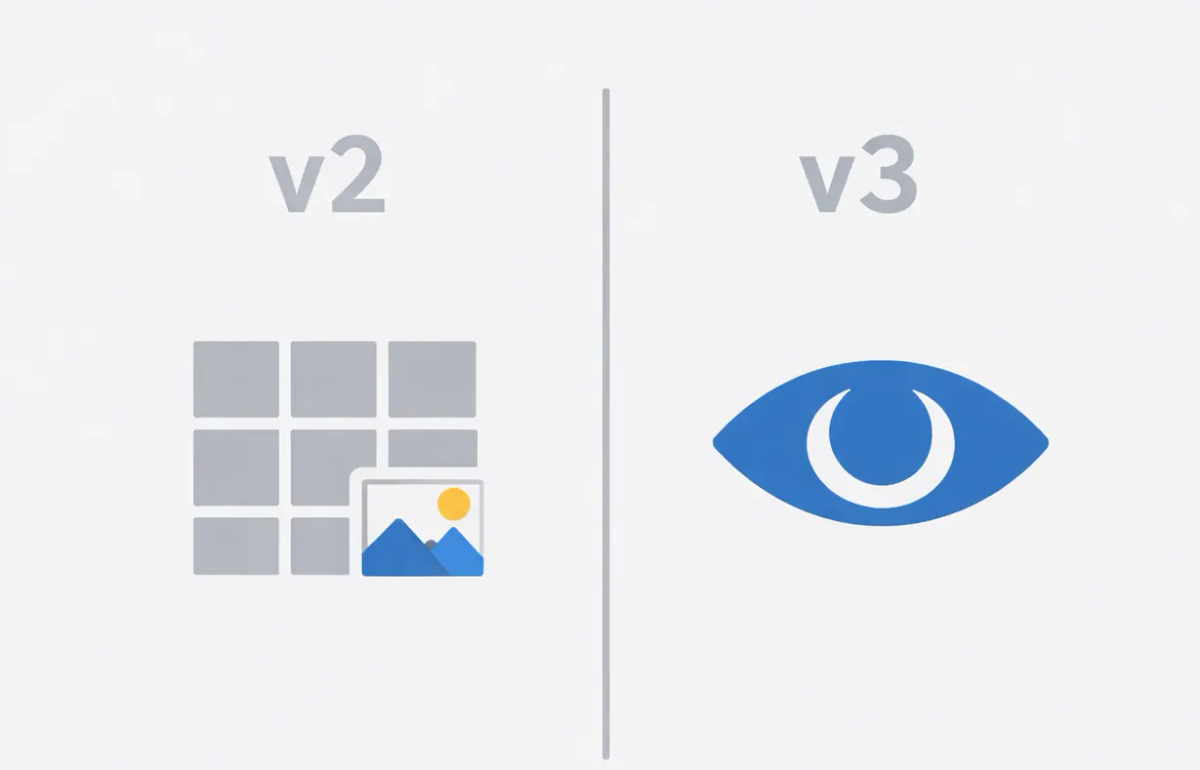
TrustCaptcha eliminates the need for traditional image or text-based CAPTCHA tests. Verification is performed invisibly, ensuring that real users are not slowed down or distracted during critical interactions such as authentication, onboarding, or transactions.
The platform follows a privacy-first architecture. TrustCaptcha does not rely on tracking cookies or cross-site profiling and is designed to align with data protection regulations such as GDPR. This reduces the need for complex consent flows and additional legal overhead.
From an accessibility standpoint, TrustCaptcha avoids manual user challenges altogether. By verifying devices and behavior instead of requiring visual interaction, it supports compliance with accessibility standards including WCAG and EAA, making protected services usable for a wider range of users.
TrustCaptcha also provides enterprise-grade controls. Security teams can configure verification policies, review analytics, and integrate the service through APIs, allowing bot protection to adapt to different applications and threat levels.
Finally, TrustCaptcha is designed with modern threat models in mind. Its verification mechanisms are intended to remain effective even as automated attacks increasingly leverage AI to bypass legacy CAPTCHA systems.
TrustCaptcha Limitations
TrustCaptcha offers a limited free trial intended for evaluation and testing. Organizations typically need to move to a paid plan for long-term or high-volume production use.
Why organizations choose TrustCaptcha
By shifting verification away from user-facing challenges and toward background analysis, TrustCaptcha provides effective protection against spam, abuse, and automated attacks without degrading the user experience. This approach makes it particularly suitable for enterprises operating in regulated environments or running applications where usability and accessibility are critical.
2. Cloudflare Turnstile
Cloudflare Turnstile is a newer CAPTCHA alternative designed to reduce reliance on traditional image challenges by leveraging Cloudflare’s infrastructure and threat intelligence.
How Cloudflare Turnstile Works
Turnstile focuses on non-interactive verification by analyzing browser characteristics, JavaScript execution, and network-level signals. In many cases, users are verified automatically without being asked to complete a visible challenge. The system is tightly integrated with Cloudflare’s global network, allowing it to evaluate requests in the context of broader traffic patterns.
Advantages
One of Turnstile’s main strengths is its low-friction user experience. Most legitimate users are verified without explicit interaction, and traditional image puzzles are generally avoided. For organizations already using Cloudflare services, deployment and integration are straightforward.
Limitations
Turnstile’s effectiveness and flexibility are closely tied to the Cloudflare ecosystem. Organizations not fully invested in Cloudflare may find customization and control more limited compared to standalone CAPTCHA platforms. Additionally, some enterprises may prefer more transparency and configuration options for fine-grained security policies.
Best suited for: Teams already standardized on Cloudflare that prioritize minimal user interaction over deep customization.
3. Google reCAPTCHA
Google reCAPTCHA is one of the most widely deployed CAPTCHA solutions and is often the first option organizations consider when looking for hCaptcha Alternatives. Its broad adoption and familiarity make it a common baseline in CAPTCHA evaluations.
How Google reCAPTCHA Detects Bots
Google reCAPTCHA combines several verification techniques to assess whether a request originates from a human or an automated system. Instead of relying on a single signal, it evaluates interaction patterns and contextual signals to assign a confidence score. When the system cannot determine legitimacy with sufficient certainty, it may present a visible challenge.
Depending on the version in use, verification may occur silently in the background or require explicit user interaction through checkboxes or image-based tasks.
Advantages
Google reCAPTCHA benefits from strong brand recognition and widespread user familiarity, which can reduce confusion during verification. It offers a no-cost option for low-volume or non-commercial use and provides an invisible mode that can reduce user friction when risk scores are favorable.
Limitations
From a privacy and compliance perspective, reCAPTCHA presents challenges. It relies heavily on cookies and behavioral data collection, which can trigger consent requirements under GDPR and similar regulations. Users who block tracking, use privacy-focused browsers, or rely on assistive technologies are more likely to encounter intrusive visual challenges, reducing usability and accessibility.
Best suited for: General-purpose websites where privacy constraints and accessibility requirements are limited.
Side-by-Side Comparison of hCaptcha Alternatives
| Feature | hCaptcha | Google reCAPTCHA | Cloudflare Turnstile | TrustCaptcha |
|---|---|---|---|---|
| User Interaction | Image puzzles | Image & behavioral | Mostly invisible | Fully invisible |
| Privacy Compliance | Limited | Limited | Moderate | Strong (privacy-first) |
| Cookie Usage | Yes | Yes | Minimal | No cookies |
| Accessibility | Limited | Limited | Moderate | High (WCAG-ready) |
| Bot Resistance | Medium | Medium | High | Very High |
| Enterprise Controls | Basic | Moderate | Moderate | Advanced |
Which hCaptcha Alternative Is Best for IT Buyers?
Each option solves bot protection differently:
- Google reCAPTCHA remains widely used but introduces privacy risks and likely user consent.
- Cloudflare Turnstile is efficient mainly within Cloudflare ecosystems and offers limited customization.
- TrustCaptcha stands out for organizations prioritizing privacy and user experience without zero interaction and large range of options.
For enterprises operating in regulated environments, TrustCaptcha provides the most balanced and future-ready alternative.
Final Verdict: Why TrustCaptcha Is the Smart Choice
As bot attacks grow smarter, legacy CAPTCHA models are becoming obsolete. Image puzzles frustrate users, break accessibility, and fail against modern automation.
TrustCaptcha represents the next generation of hCaptcha Alternatives: invisible, compliant, and enterprise-ready.
Try TrustCaptcha for Free
Ready to see the difference for yourself? 👉 Try TrustCaptcha for free and evaluate real-world bot protection without impacting user experience. Let your users stay human—while bots stay out.